A Theatre Teacher’s Experience in the WV Teacher Strike of 2018
The rain soaked through my gloves, and I couldn’t feel my feet.
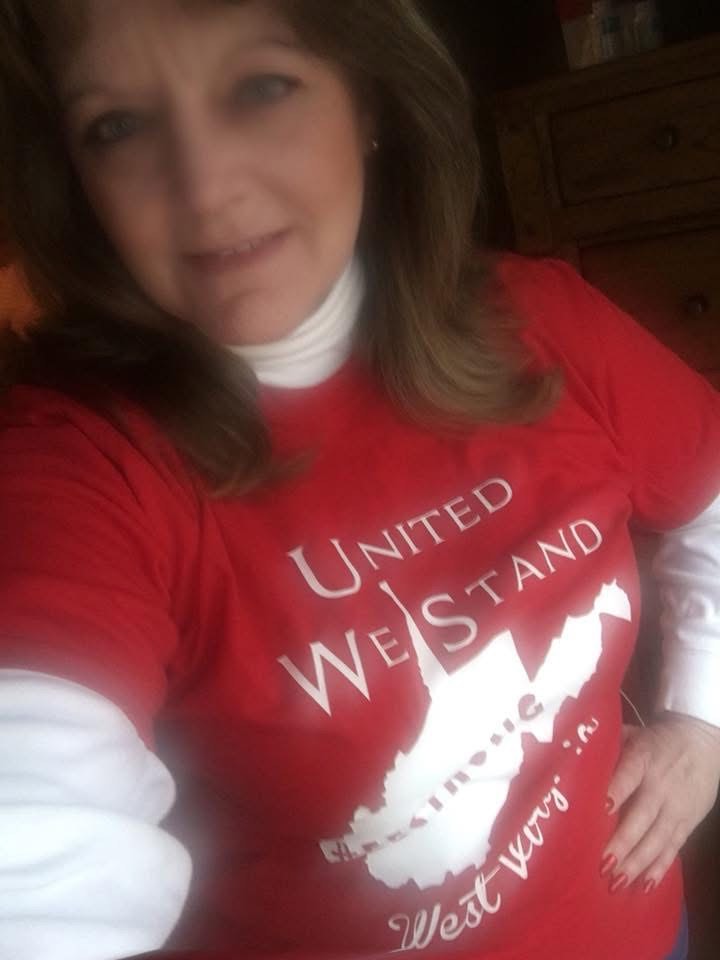
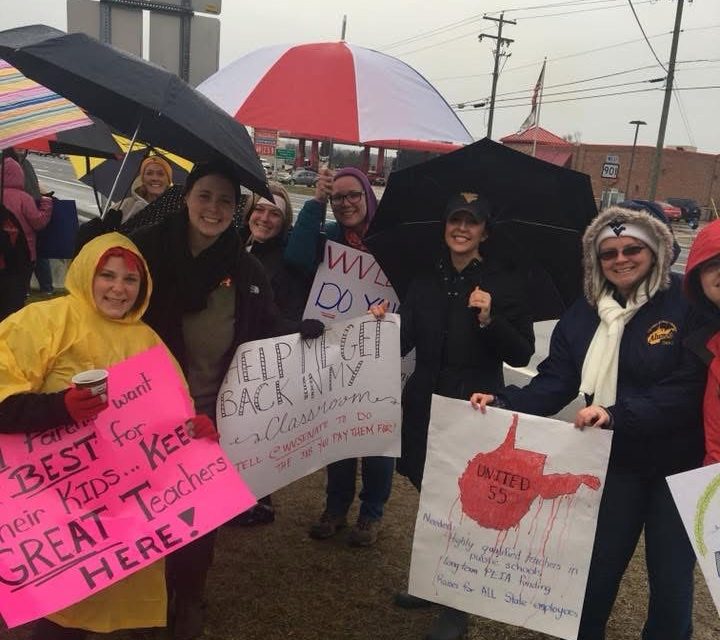
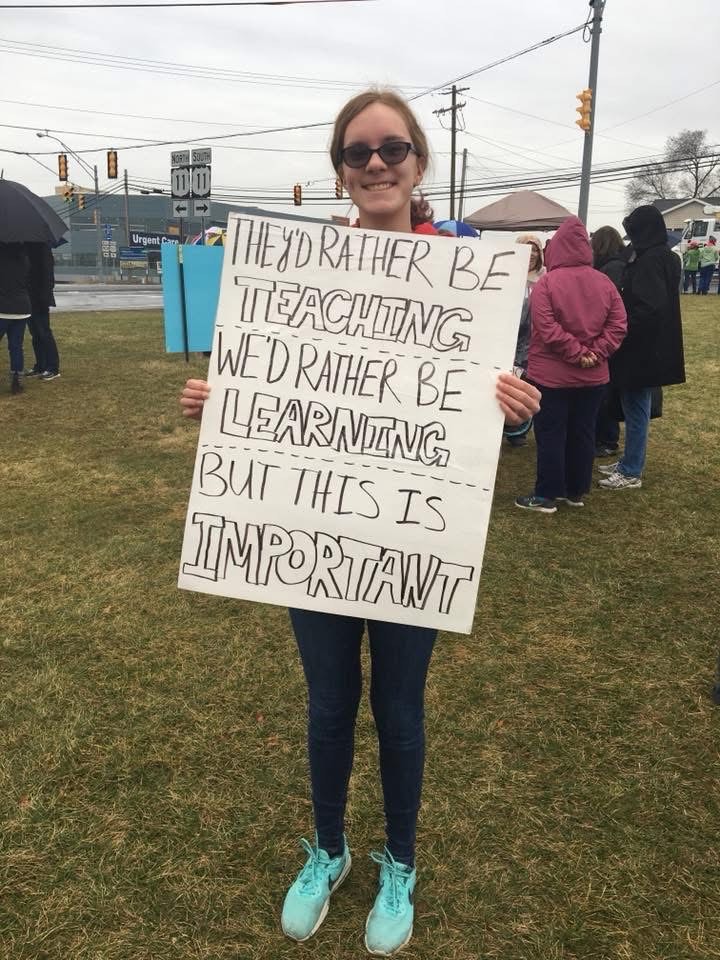
Instead of unlocking my classroom door that February morning in 2018, I stood on a street corner in Berkeley County wearing a red “55 Strong” shirt, clutching a handmade sign, and wondering how we had reached this moment. My theatre students were expecting rehearsals, competitions, and a spring full of plans. Instead, our school year hit an unexpected intermission — one that would place teachers across West Virginia in the center of history.
I was a high school theatre teacher in the public school system, and like thousands of others, I was about to walk away from my classroom for nine days in order to fight for the future of the profession I loved.
A Statewide Pause
From February 22 through March 6, 2018, West Virginia teachers stepped out of their classrooms and into history. For nine instructional days, public schools in all 55 counties were closed as educators across the state stood together to demand sustainable pay and healthcare protections. What reads like a line in a timeline felt anything but simple while we were living it. It was a statewide pause filled with uncertainty, resolve, and solidarity, as thousands of teachers made the difficult decision to walk away from their classrooms in order to stand for respect for public workers.
On the Corner
We gathered before sunrise, breath visible in the cold air, rain tapping steadily against poster board signs. The cardboard softened as the morning wore on, ink bleeding at the edges, but nobody left. Car heaters hummed as drivers rolled down windows to honk or shout encouragement. Every few minutes someone passed out coffee in paper cups, steam rising into the gray sky.
The corner felt alive — boots splashing in shallow puddles, laughter cutting through nerves, teachers wrapped in scarves and determination. We shifted from foot to foot to stay warm, shoulders brushing, sharing stories about students, mortgages, healthcare bills, and why we were standing there at all.
When passing police cruisers tapped their sirens in solidarity, a cheer rippled down the line. In those moments, the rain didn’t feel miserable. It felt like proof that we were willing to stand in discomfort for something that mattered.
Years in the Making
The strike didn’t erupt overnight. It was the result of months — really years — of frustration. Rising PEIA healthcare costs were eroding take-home pay, and legislative responses felt inadequate. A late-night bill in February that offered only small raises while postponing benefit changes convinced many of us that incremental fixes were no longer enough.
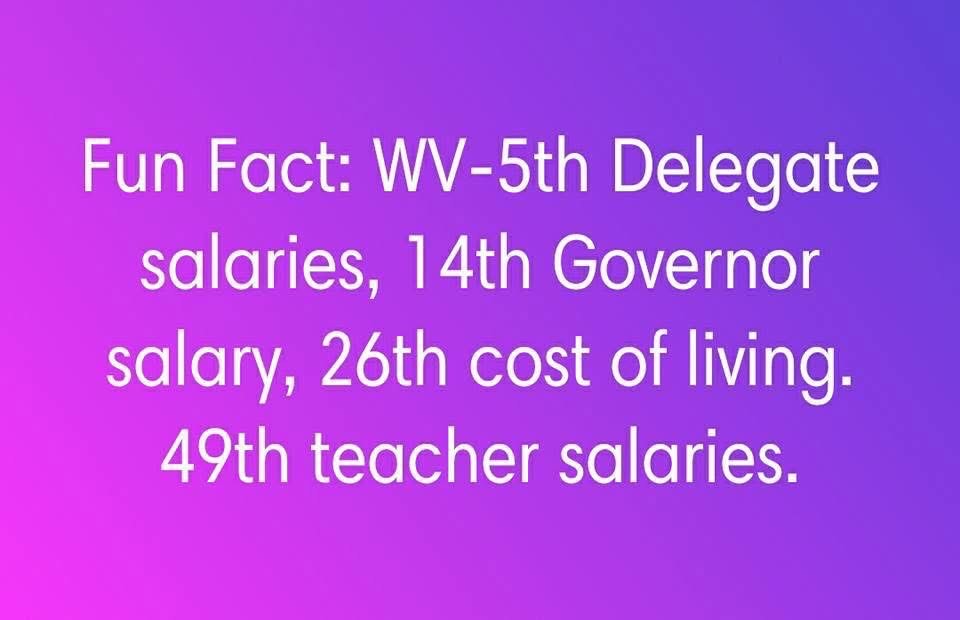
When I crossed the Potomac River a few years earlier to leave my English teaching position in Maryland for a job in a brand-new West Virginia high school, I was excited about the creative freedom ahead. What I wasn’t prepared for was the pay difference.
West Virginia uses a single statewide pay scale based on years of experience and education level, meaning teachers technically earn the same base salary no matter where they teach. On paper that creates fairness. In reality, the cost of living varies widely.
Berkeley County sits within commuting distance of Washington, D.C., and our expenses reflected that. The state salary alone simply wasn’t sustainable. Counties can add local salary supplements — often funded through voter-approved excess levies — but those depend on the community’s tax base. I remember how personal that felt. Our livelihood was tied in part to whether our neighbors could and would support those levies. Teaching wasn’t just a job; it was woven into the economics of the community.
The Breaking Point
In January 2018, Governor Jim Justice proposed what many of us viewed as a paltry 1% raise. Even if implemented, it wouldn’t begin to offset rising healthcare costs. For teachers and other public employees covered by PEIA, the math was simple: expenses were growing faster than income.
We began hearing rumblings of coordinated action in late January. On February 2, we participated in a “Fed Up Friday,” picketing just off school property before reporting to our classrooms on time. Our leaders kept saying this could be the year meaningful change was possible. When that action produced no legislative movement, escalation felt inevitable.
Choosing to Strike
I had never been a union member. I had my reasons — cost, philosophical differences, skepticism about necessity. But when our building leaders began taking votes, the decision became deeply personal. On the evening of February 21, I received the call. Striking is illegal in West Virginia. We all understood the risk. When asked for my vote, I said yes.
Every school faculty in all 55 counties reached the same conclusion. On Thursday morning, February 22, instead of stepping into our classrooms, we donned red “55 Strong” shirts and gathered on street corners across the state. It was cold, rainy, and miserable — but we were together.
Community and Consequences
Why weren’t we fired? All 55 county superintendents supported the closures. Schools simply could not operate safely without teachers. Even colleagues who voted against the walkout joined us because schools were closed.
Community response was immediate and emotional. Many students stood beside us with handmade signs. Restaurants delivered food, coffee, and water. After that first long day in the rain, I met my husband at a local pub. Diners quietly sent warm drinks my way — gestures of solidarity from people who understood what we were fighting for.
Not everyone agreed. Some parents were frustrated because schools provide essential childcare. We understood their position. But each night we had to decide again: vote, report, wait for the superintendent’s decision. Nine days of uncertainty. Nine days of choosing solidarity over comfort.
More Than a Teachers’ Fight
One of the most powerful realizations during the strike was that this wasn’t just a teachers’ fight. PEIA covers state police, highway workers, office staff, and other public employees — many of whom didn’t have the ability to strike. When officers honked in support or workers joined rallies, it reframed our purpose. We were standing not only for our classrooms but for the sustainability of public service across the state.
Returning Changed
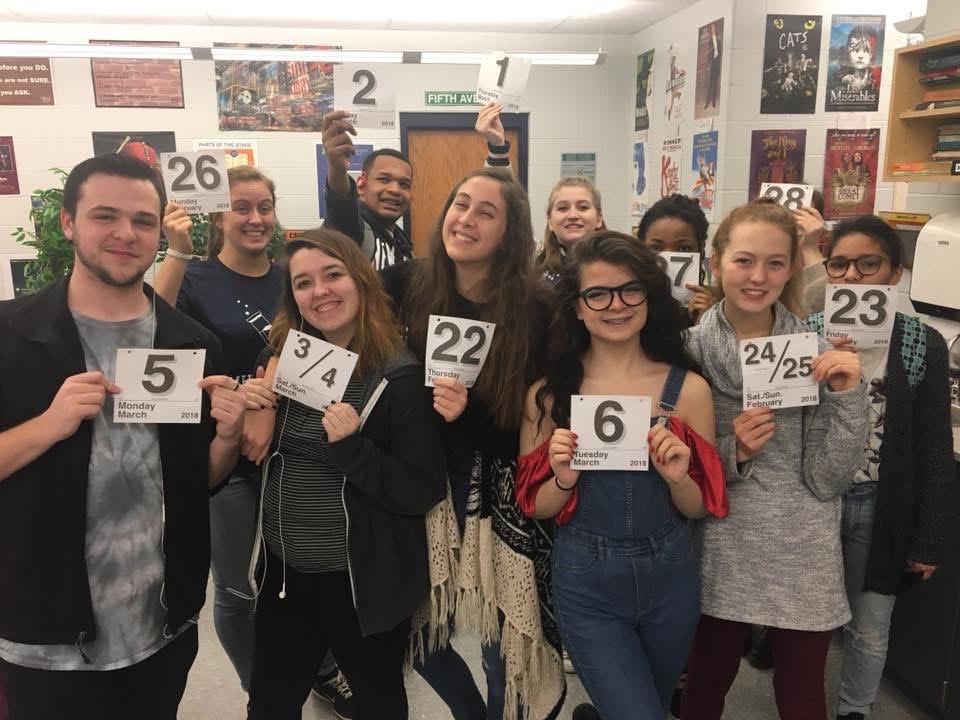
When we returned to our classrooms, we were different — tired, proud, and more aware of how deeply connected our work is to the communities we serve. Removing the classroom wall calendar pages with my theatre students felt symbolic because they represented every day we were apart. We hadn’t just paused instruction; we had lived through a moment that tested our resolve and revealed our solidarity. The strike didn’t solve every problem, but it reminded me that teaching is more than lesson plans and performances. Sometimes the most important work happens outside the classroom, standing shoulder to shoulder in the rain, believing that what we do — and who we stand with — matters.